In April, the third official meeting of the partners participating in the project “Promoting Circular Approaches in the Built Environment (Circular Approaches for the Built Environment, CABE), was help which was hosted by Hacettepe University.
The project’s objective is to develop and pilot circular solutions for the built environment through the reuse of waste generated by construction and demolition (CDW). From Cyprus, the Cyprus University of Technology (C.U.T), KyklOIKOdromio, and the Municipality of Strovolos are participating in the project.
Over the course of three intensive days, partners gathered to assess progress in key areas of the project, such as the development of frameworks and digital tools to promote the circular economy in the built environment and stakeholder engagement, as the project approaches its midpoint.
It is worth noting that, during the meeting, the SEMIP – Secondary Material Information Platform, developed by Hacettepe University - was presented, this platform significantly contributes to strengthening data collection through digital integration to promote circular approaches in the built environment.
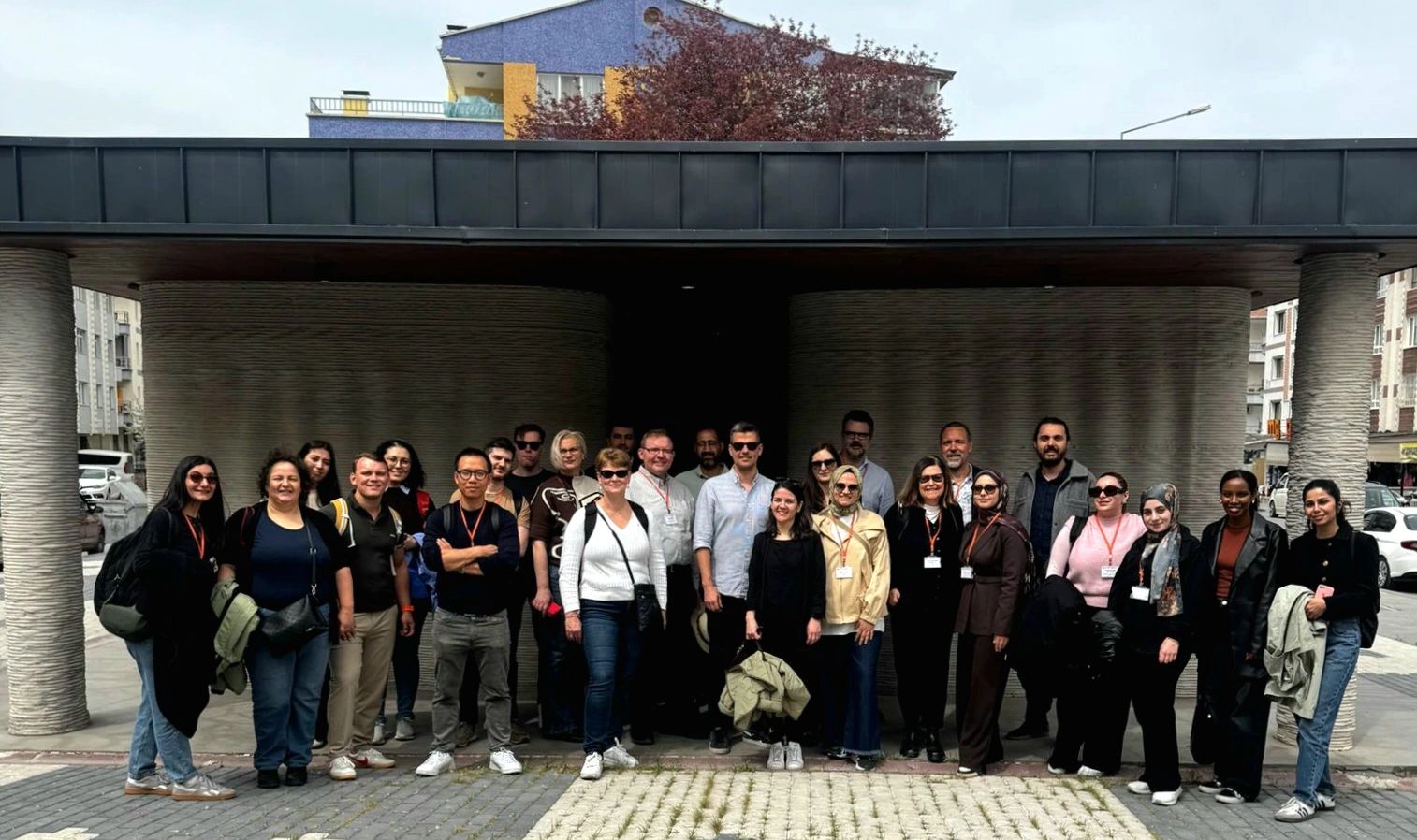
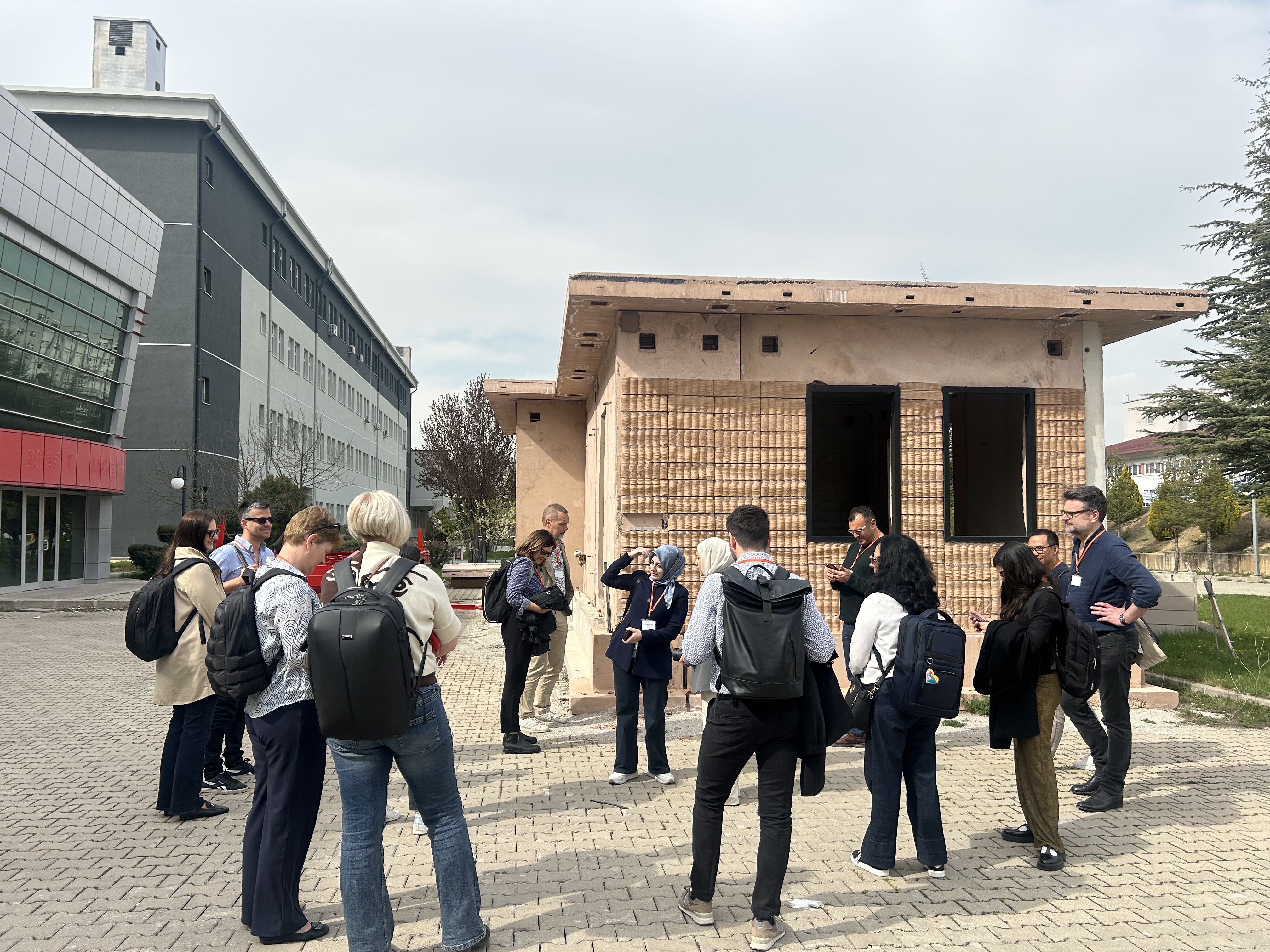
As part of the technical visits, educational tours were conducted at key facilities and research centres at Hacettepe University, such as the Building Materials Lab and a community facility constructed using 3D concrete printing technology (Cobot 3D Printer). These visits provided an opportunity to gain firsthand experience with innovative methods of research, modelling, and pilot applications in the construction sector. In addition, the partners visited the 3D-printed buildings in Etimesgut and Mamak, examples of innovative applications in the construction sector. The visits provided a significant opportunity for the exchange of knowledge and experiences.
On the third day of the meeting, the Cypriot project team coordinated an interactive workshop attended by 19 representatives from ministries, public agencies, universities, research centers, and construction sector companies in Turkey. Through discussion and the exchange of experiences, the workshop documented how the stakeholders approach the management of CDW and where they believe the most significant challenges lie. The workshop focused particularly on issues such as the application of circular economy principles, institutional and technical barriers, as well as opportunities for improving existing practices in the construction sector.
The results will be used to prepare a specific report on Turkey and will subsequently be compared with corresponding data from similar workshops in participating countries in the project.
The CABE project is ongoing, continuing to collect data and experiences from participating organizations. The meeting in Turkey enhanced understanding of the challenges and opportunities of circular Construction & Demolition waste management, contributing to the development of practical solutions for the built environment. The project is co-funded by the European partnership Driving Urban Transitions to a sustainable future (DUT). In Cyprus, the project is co-funded by the Research and Innovation Foundation (RIF), and the lead implementing organization is the Cyprus University of Technology (CUT). For more information about the CABE project, please visit the website: https://cabe.zag.si/
You can also follow CABE on LinkedIn for news, activities, and project results: https://www.linkedin.com/company/107252989/admin/dashboard/.
Η Κύπρος επέλεξε την Πενταμελή Ομάδα της για τη Διεθνή Ολυμπιάδα Οικονομικών 2026
In April, the third official meeting of the partners participating in the project “Promoting Circular Approaches in the Built Environment (Circular Approaches for the Built Environment, CABE), was help which was hosted by Hacettepe University.
The project’s objective is to develop and pilot circular solutions for the built environment through the reuse of waste generated by construction and demolition (CDW). From Cyprus, the Cyprus University of Technology (C.U.T), KyklOIKOdromio, and the Municipality of Strovolos are participating in the project.
Over the course of three intensive days, partners gathered to assess progress in key areas of the project, such as the development of frameworks and digital tools to promote the circular economy in the built environment and stakeholder engagement, as the project approaches its midpoint.
It is worth noting that, during the meeting, the SEMIP – Secondary Material Information Platform, developed by Hacettepe University - was presented, this platform significantly contributes to strengthening data collection through digital integration to promote circular approaches in the built environment.
As part of the technical visits, educational tours were conducted at key facilities and research centres at Hacettepe University, such as the Building Materials Lab and a community facility constructed using 3D concrete printing technology (Cobot 3D Printer). These visits provided an opportunity to gain firsthand experience with innovative methods of research, modelling, and pilot applications in the construction sector. In addition, the partners visited the 3D-printed buildings in Etimesgut and Mamak, examples of innovative applications in the construction sector. The visits provided a significant opportunity for the exchange of knowledge and experiences.
On the third day of the meeting, the Cypriot project team coordinated an interactive workshop attended by 19 representatives from ministries, public agencies, universities, research centers, and construction sector companies in Turkey. Through discussion and the exchange of experiences, the workshop documented how the stakeholders approach the management of CDW and where they believe the most significant challenges lie. The workshop focused particularly on issues such as the application of circular economy principles, institutional and technical barriers, as well as opportunities for improving existing practices in the construction sector.
The results will be used to prepare a specific report on Turkey and will subsequently be compared with corresponding data from similar workshops in participating countries in the project.
The CABE project is ongoing, continuing to collect data and experiences from participating organizations. The meeting in Turkey enhanced understanding of the challenges and opportunities of circular Construction & Demolition waste management, contributing to the development of practical solutions for the built environment. The project is co-funded by the European partnership Driving Urban Transitions to a sustainable future (DUT). In Cyprus, the project is co-funded by the Research and Innovation Foundation (RIF), and the lead implementing organization is the Cyprus University of Technology (CUT). For more information about the CABE project, please visit the website: https://cabe.zag.si/
You can also follow CABE on LinkedIn for news, activities, and project results: https://www.linkedin.com/company/107252989/admin/dashboard/.